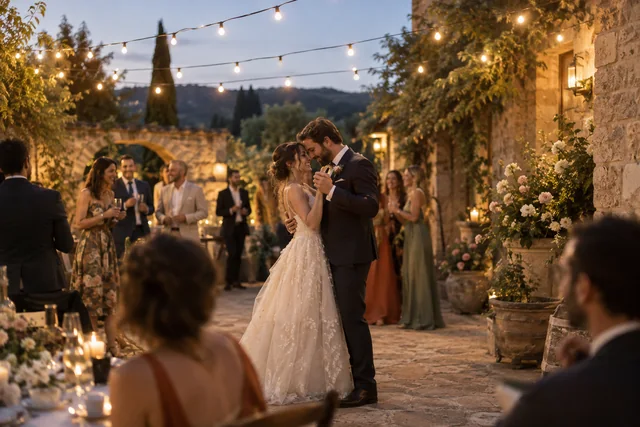
Editing a gallery into a story
A gallery is more than a collection of individually strong images. Its order creates a rhythm, helping the viewer understand a place, meet the people and notice the details that connect one moment to the next.
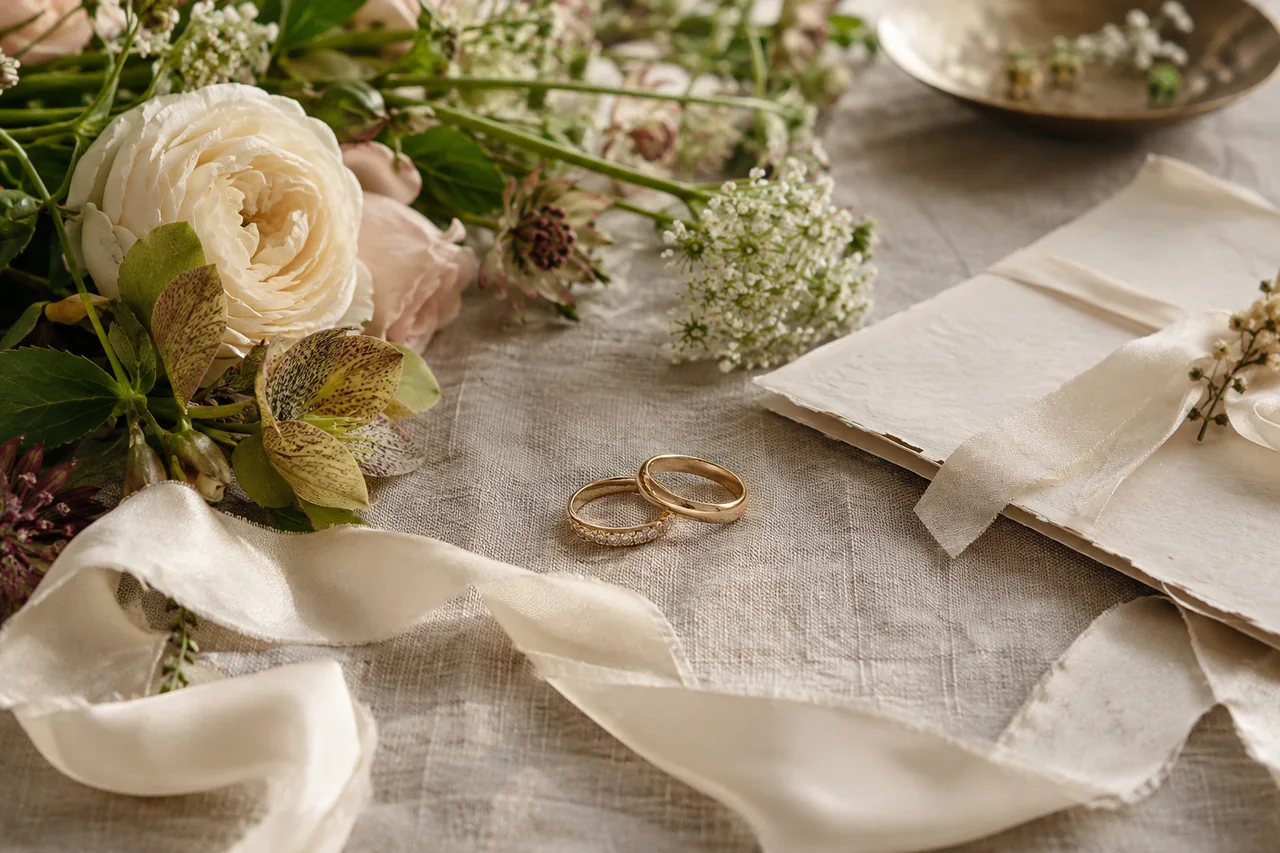
Begin with a sense of place
Choose an opening that gives the story room to breathe. It might show the setting, the weather or a quiet preparation. Avoid using every establishing photograph simply because each is attractive. One clear opening can make the closer frames that follow more meaningful.
Vary distance and pace
Move between wider scenes, relationships and small details. Repeated compositions can make an event feel flatter than it was. Look for the photograph that adds a new piece of information and remove the one that repeats it. Colour and light can help a sequence flow, but they should not override the emotional logic of the story.
End with intention
A final photograph can offer release, stillness or the suggestion that life continues beyond the frame. Review the whole sequence after a break and check that private or sensitive moments are treated respectfully. The edit should honour the people involved and the permissions agreed. A tighter gallery often leaves more space for the viewer to remember what matters.